
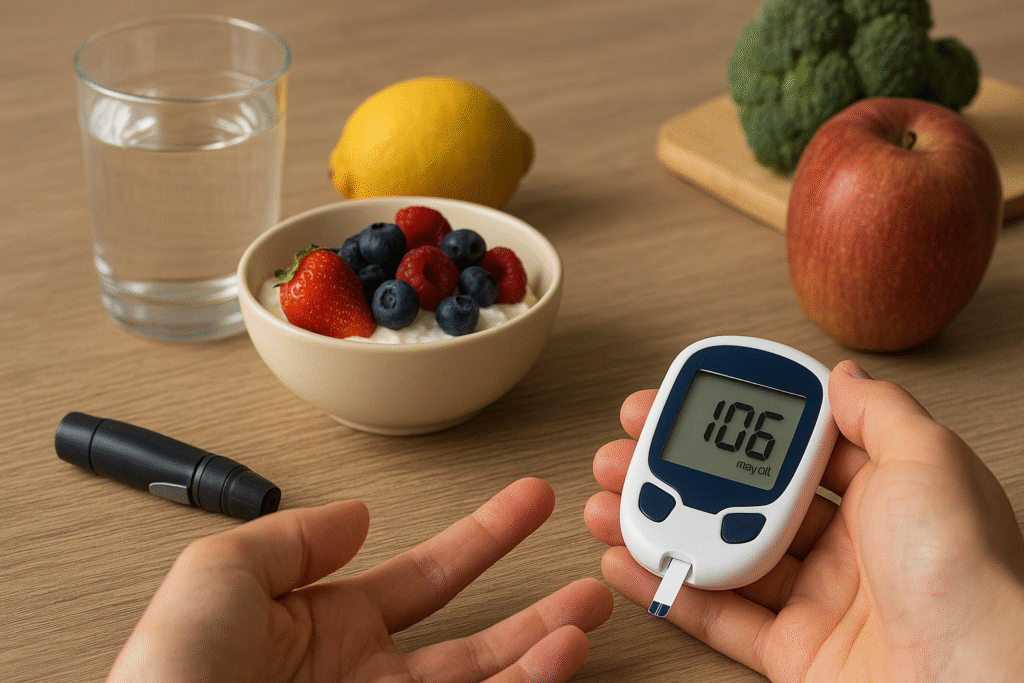
Keeping your blood sugar levels in check is one of the most important things you can do for your health—whether you’re managing prediabetes, type 2 diabetes, or simply want to avoid energy crashes and cravings.
In this complete and practical guide, you’ll learn how to lower blood sugar quickly and safely through natural methods, food strategies, exercise tips, and smart daily habits. We’ll also touch on one supplement that some people find helpful—but don’t worry, this isn’t a sales pitch. Let’s get into the real solutions.
1. Why High Blood Sugar Matters (And How It Affects You Fast)
Your body relies on glucose (blood sugar) as its primary source of energy. Every time you eat—especially carbohydrates—your body breaks that food down into glucose, which enters your bloodstream. Then, your pancreas releases insulin to help your cells absorb and use that sugar for fuel.
But here’s the catch: when you consume too much sugar too often, or your body becomes less responsive to insulin, blood sugar builds up in your bloodstream instead of being used efficiently.
And that’s where the problems start.
What Happens When Blood Sugar Spikes
You don’t need to be diabetic to feel the effects of high blood sugar (hyperglycemia). It can happen after a big meal, during stress, or even after a poor night’s sleep. The symptoms can come on quickly and may include:
- Fatigue and low energy, even if you’ve just eaten
- Headaches or difficulty focusing (aka “brain fog”)
- Blurred vision or dry eyes
- Increased thirst and frequent urination
- Irritability, mood swings, or anxiety
- Cravings for more sugar or carbs, leading to a vicious cycle
These effects aren’t just inconvenient—they’re your body waving a red flag.
The Long-Term Dangers of High Blood Sugar
If left unchecked, chronically elevated blood sugar can silently damage your body over time. Some of the most serious long-term risks include:
- Insulin resistance – where your cells stop responding to insulin, forcing your pancreas to produce more and more
- Type 2 diabetes – a serious condition that affects how your body manages blood sugar permanently
- Heart disease and stroke – due to increased inflammation and damage to blood vessels
- Kidney damage, nerve damage, and vision loss – all common complications of sustained high glucose
- Weight gain and difficulty losing fat, especially around the belly
Even if your blood sugar is only slightly elevated on a regular basis, studies show that can lead to increased inflammation, reduced immunity, and hormonal imbalances.
Why Fast Action Matters
Here’s the truth: the longer your blood sugar stays high, the more stress your body is under. That’s why it’s so important to learn how to bring it down—quickly and safely—whether it spikes after a meal, during illness, or when life gets stressful.
The good news? You don’t need extreme diets or medications to start managing it. With the right strategies (which we’ll cover in this guide), you can:
- Feel more energized and mentally clear
- Reduce cravings and mood swings
- Protect your long-term metabolic health
- Avoid serious complications down the line
Learning how to lower blood sugar fast isn’t just for people with diabetes—it’s for anyone who wants to feel better, think clearer, and age healthier.
2. What to Do Immediately to Lower Blood Sugar Fast
If you’ve just eaten a high-carb meal or noticed your numbers are high on a glucose meter, don’t panic. Here’s what actually works:
Move Your Body (Even a Little Helps)
A brisk walk for 15–30 minutes can lower blood sugar by 20–40 mg/dL. Exercise helps your muscles use glucose for fuel, pulling it out of the bloodstream.
Pro Tip: The sooner after eating, the better.
Drink Plenty of Water
Water helps your kidneys flush out excess sugar through urine. Aim for a big glass of water (16–20 oz) when blood sugar feels high.
Avoid More Carbs Immediately
Skip the bread, fruit juice, or snacks high in sugar. Let your body stabilize instead of giving it more glucose to process.
3. Food Tips to Stabilize Glucose
What you eat plays a huge role in how your blood sugar behaves. Here’s how to balance your meals:
Focus on Protein + Fiber
Protein and fiber help slow the digestion of carbohydrates, reducing spikes in blood sugar. Great options include:
- Eggs
- Chicken or tofu
- Leafy greens
- Chia seeds
- Lentils
Add Healthy Fats
Fats like avocados, nuts, seeds, and olive oil also slow digestion and support stable energy.
Avoid High-Glycemic Foods
These foods cause rapid spikes in blood sugar:
- White rice
- White bread
- Soda and sweetened drinks
- Candy and pastries
Instead, opt for whole grains, sweet potatoes, and berries in moderation.
4. Natural Remedies That Can Help
Some foods and ingredients have been shown to help lower blood sugar naturally. Here are a few that are backed by research:
Apple Cider Vinegar
- 1 tablespoon in a glass of water before meals can improve insulin sensitivity.
- Start small to avoid digestive upset.
Cinnamon
- A teaspoon a day (in coffee, tea, or oatmeal) may help your body use insulin more effectively.
Magnesium & Chromium
These minerals are involved in glucose metabolism. If you’re deficient, a supplement may help—though always check with your doctor first.
5. Manage Stress (It’s More Important Than You Think)
Stress hormones like cortisol can cause blood sugar to rise, even if you haven’t eaten. That’s why stress management is key.
Try:
- Deep breathing (4-7-8 method)
- Gentle yoga
- Meditation apps
- Taking regular breaks during the day
6. Sleep: The Overlooked Blood Sugar Regulator
Not getting enough sleep (or poor quality sleep) reduces insulin sensitivity and can lead to elevated morning blood sugar.
Aim for:
- 7–9 hours of uninterrupted sleep
- A consistent bedtime routine
- Cutting caffeine by 2 PM
7. Monitor Your Blood Sugar
Using a glucometer or continuous glucose monitor (CGM) helps you understand how food, stress, and activity affect your levels.
Track these times:
- Fasting (first thing in the morning)
- 1–2 hours after meals
- Before bedtime
Seeing the patterns helps you make smarter choices.
8. Supplements: Support, Not a Shortcut
While no supplement can replace a healthy lifestyle, some people benefit from targeted formulas that support blood sugar metabolism.
One example is Gluco Shield Pro, which combines:
- Vitamins like B1, B6, and B12
- Minerals including magnesium and zinc
- Herbal extracts like chamomile, lemon balm, and rhodiola, which may help with stress and inflammation
Want to know how it actually performs?
Check out our in-depth review here: Read the full review
Or go straight to the official website to learn more or order: Visit Gluco Shield Pro
9. Daily Blood Sugar Routine (Simple, Repeatable)
Here’s a practical daily structure you can start tomorrow:
| Time | Action |
|---|---|
| Morning | Drink water, light movement, high-protein breakfast |
| Mid-morning | Herbal tea (e.g., cinnamon), low-carb snack |
| Lunch | Protein + fiber + healthy fat, avoid sugary drinks |
| Afternoon | Short walk, deep breathing, hydration |
| Dinner | Balanced plate, no white carbs |
| Evening | Stretching, relaxation, 7–9 hours of sleep |
10. What to Do When Blood Sugar Keeps Spiking
If you’re consistently experiencing high blood sugar—even with lifestyle changes—it’s important to:
- Get your A1C checked (measures 3-month blood sugar average)
- Work with a registered dietitian or doctor
- Consider checking for insulin resistance, PCOS, or other underlying issues
11. Final Thoughts
Lowering blood sugar quickly—and keeping it stable long-term—is all about understanding your body and making small, consistent adjustments.
To recap:
- Move after meals
- Stay hydrated
- Eat balanced meals with protein and fiber
- Avoid high-glycemic carbs
- Manage stress and sleep well
- Use supplements like Gluco Shield Pro as gentle support—not a crutch
Your body is always trying to return to balance. These strategies help it do just that—fast, naturally, and safely.