
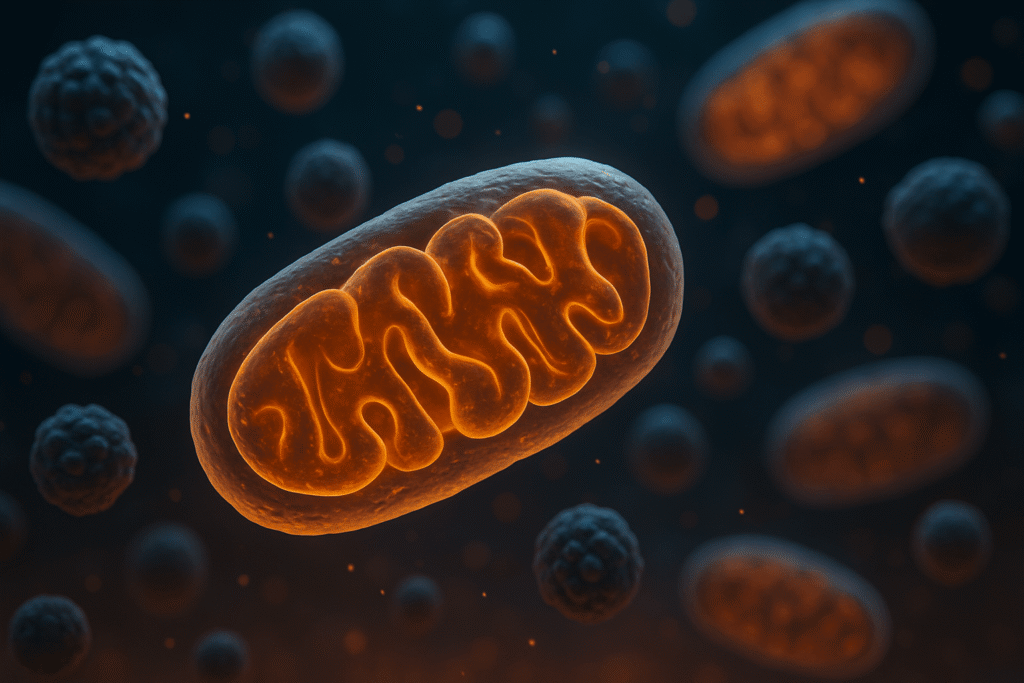
Aging is something we all experience — but what if the secret to slowing down this natural process lies in the tiny powerhouses inside our cells? These microscopic structures, called mitochondria, play a monumental role in how we age and how long we live. Understanding mitochondrial function could unlock new ways to boost vitality, extend lifespan, and enhance overall health.
In this article, we’ll dive deep into the connection between mitochondrial health and aging, why your mitochondria matter more than you might think, and how supporting them can make a real difference. Plus, I’ll share a powerful supplement, Advanced Mitochondrial, that can help you take control of your energy and aging process.
1. What Are Mitochondria and Why Are They Important?
Think of mitochondria as the “batteries” or “power plants” inside your cells. They generate the energy your body needs to function by converting nutrients from food into a molecule called ATP (adenosine triphosphate) — the energy currency of life.
Every cell in your body contains hundreds to thousands of mitochondria, depending on its energy demand. Your brain, muscles, heart, and liver cells have especially high numbers because they need a lot of energy to keep you moving and thinking.
But mitochondria don’t just produce energy. They also:
- Help regulate cell death (apoptosis), which is vital for tissue health
- Produce reactive oxygen species (ROS), which in controlled amounts signal cellular functions but in excess cause damage
- Play a role in calcium balance and cell signaling
When mitochondria are healthy, your cells work optimally. When they’re impaired, things go downhill fast — especially as we age.
2. The Link Between Mitochondrial Dysfunction and Aging
Aging is a complex biological process influenced by genetic, environmental, and lifestyle factors. One widely accepted theory is the mitochondrial theory of aging, which suggests that damage to mitochondria and their DNA accumulates over time, leading to a decline in mitochondrial function. This decline contributes to the symptoms and diseases associated with aging.
Here’s why mitochondrial dysfunction is so critical to aging:
Energy Decline Leads to Fatigue and Loss of Function
As mitochondria become less efficient, they produce less ATP. This energy shortfall can manifest as fatigue, muscle weakness, and reduced endurance — common complaints as people get older.
Increased Oxidative Stress Damages Cells
Damaged mitochondria generate excessive reactive oxygen species (ROS), leading to oxidative stress. This stress harms cellular components like DNA, proteins, and lipids, accelerating aging and contributing to chronic diseases such as Alzheimer’s, Parkinson’s, and cardiovascular disease.
Impaired Cellular Repair and Regeneration
Mitochondrial dysfunction disrupts the delicate balance between cell death and regeneration. Without enough healthy mitochondria, damaged cells can accumulate, and tissues lose their ability to repair, resulting in age-related tissue decline.
Metabolic Changes Affect Body Composition and Health
Mitochondria regulate metabolism — how your body uses nutrients for energy. When they falter, it can lead to insulin resistance, fat accumulation, and increased risk of type 2 diabetes, all of which negatively impact lifespan and quality of life.
3. How Mitochondrial Health Affects Lifespan: What Science Says
Research on model organisms like worms, flies, and mice shows that maintaining mitochondrial function can significantly extend lifespan. For example:
- Studies reveal that caloric restriction — reducing calorie intake without malnutrition — improves mitochondrial efficiency and prolongs lifespan in many species.
- Enhancing mitochondrial biogenesis (the creation of new mitochondria) has been linked to longer life and better health span.
- Genetic mutations that improve mitochondrial quality control mechanisms, like mitophagy (removal of damaged mitochondria), are associated with improved longevity.
In humans, although the exact impact of mitochondria on lifespan is still being researched, mitochondrial dysfunction correlates strongly with age-related diseases, frailty, and mortality risk.
4. Signs Your Mitochondria Might Need Support
Because mitochondrial decline happens gradually, you might not notice it until energy levels dip significantly. Here are some common signs that your mitochondria could use a boost:
- Persistent fatigue and low stamina
- Brain fog and reduced mental clarity
- Muscle weakness or cramps
- Slow recovery from exercise or injury
- Poor sleep quality
- Increased susceptibility to infections or illnesses
If you recognize these symptoms, it might be time to consider lifestyle changes and supplements that target mitochondrial health.
5. How to Support Your Mitochondria Naturally
Fortunately, there are ways to help your mitochondria function at their best:
Nutrition
Eating a diet rich in antioxidants (think berries, leafy greens, nuts) helps neutralize oxidative stress. Nutrients like CoQ10, magnesium, B vitamins, and alpha-lipoic acid are essential for mitochondrial energy production.
Exercise
Regular physical activity stimulates mitochondrial biogenesis and improves mitochondrial function, especially aerobic exercise like walking, cycling, or swimming.
Manage Stress and Sleep
Chronic stress and poor sleep harm mitochondrial function. Prioritize relaxation techniques and aim for quality sleep to allow cellular repair.
Intermittent Fasting or Caloric Restriction
These approaches can boost mitochondrial efficiency and reduce oxidative damage, mimicking some of the effects seen in longevity studies.
Targeted Supplements
Certain supplements have been shown to support mitochondrial function more directly and efficiently.
6. Introducing Advanced Mitochondrial: A Game-Changer for Your Cellular Energy
If you’re serious about boosting your mitochondrial health, the Advanced Mitochondrial supplement by Advanced Bionutritionals is worth a close look. This scientifically formulated product combines a powerful blend of nutrients designed specifically to:
- Enhance ATP production to increase energy levels
- Support mitochondrial repair and regeneration
- Reduce oxidative stress by neutralizing free radicals
- Promote overall cellular vitality and longevity
Advanced Mitochondrial targets the root causes of mitochondrial decline, helping you reclaim your energy and vitality so you can enjoy life fully — even as you age.
7. Why Choose Advanced Mitochondrial?
- Developed with clinically studied ingredients that support mitochondrial function
- Formulated to address multiple aspects of mitochondrial health, including energy metabolism, antioxidant defense, and cellular repair
- Trusted by thousands who experience improved stamina, mental clarity, and wellbeing
- Easy-to-take capsules that fit seamlessly into your daily routine
If feeling too tired to enjoy your life has been holding you back, Advanced Mitochondrial could be the solution you’ve been searching for.
For a detailed review of the supplement and to learn more about its benefits, check out my full Advanced Mitochondrial review here.
8. Final Thoughts: Invest in Your Mitochondria, Invest in Your Future
Aging is inevitable, but the quality of your years is in your hands. Supporting your mitochondria isn’t just about fighting fatigue; it’s about enhancing your body’s ability to function at its best for longer.
By understanding the powerful role of mitochondrial function in aging and lifespan, you can make smarter lifestyle choices and consider supplements like Advanced Mitochondrial that help you age with energy, vitality, and strength.
Your mitochondria are the engines of your life — treat them well, and they’ll fuel your journey far beyond what you imagined possible.